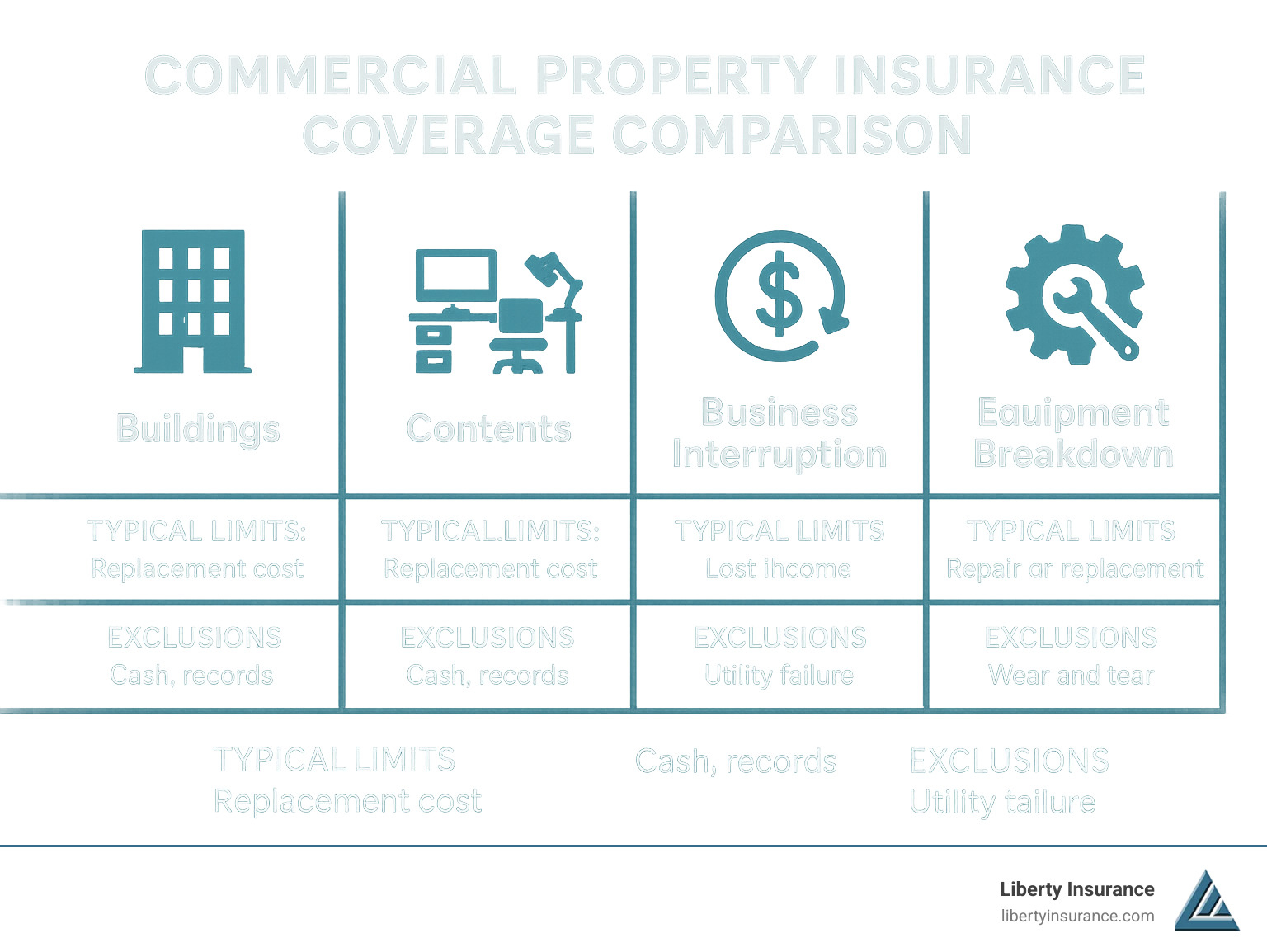
Tag: small business insurance

  • 3 Small Business Insurance Types Every Entrepreneur Should Consider

    So, you’re running a small business and things are going well, but have you thought about protecting your hard-earned investment? That’s where small business insurance comes into play. Let’s dive into the fascinating world of small business insurance to discover how it can safeguard your entrepreneurial dream from unforeseen disasters.

    From liability to property and everything in between, understanding the range of available insurance policies can be a game-changer for your business. This comprehensive guide will walk you through the types of insurance you need to consider, why they’re crucial for your business’s survival, and how to choose the right coverage. Buckle up because you’re about to become an insurance pro!

    Types of Small Business Insurance

    Did you know that 40% of small businesses never reopen after a disaster? That’s why having the right insurance is crucial. BUT, what types of insurance do you actually need? Let’s break it down.

    Small business insurance is not one-size-fits-all. It comes in various policies, each catering to different risks and needs. Here’s the deal: understanding these can be the difference between staying afloat or going under when disaster strikes.

    General Liability Insurance

    Every small business should consider general liability insurance. It covers legal costs and damages if you’re found liable for injury or property damage. Imagine a customer slipping in your store—this insurance has you covered.

    • Covers bodily injury and property damage liability
    • Protection against slander and libel lawsuits
    • Optional coverage for product liability

    Pro Tip: Always review your policy for specific exclusions and add-ons.

    Professional Liability Insurance

    Also known as Errors and Omissions (E&O) insurance, this is essential for service-based businesses. It protects against claims of negligence or inadequate work. Picture a consultant giving poor advice that costs their client—E&O insurance steps in here.

    • Coverage for alleged mistakes or failure to perform
    • Protection against legal defense costs
    • Essential for lawyers, consultants, and IT professionals

    Pro Tip: Tailor your E&O policy to the specific risks of your industry.

    Property Insurance

    Does your business own or lease physical space? Then you need property insurance. It covers damage to your building and its contents due to fires, storms, or vandalism. Remember the shocking statistic about disasters? This is where property insurance shines.

    • Protection against natural disasters
    • Coverage for physical assets like equipment and inventory
    • Can include business interruption coverage

    Pro Tip: Check if your policy covers floods or earthquakes; you might need a separate policy.

    Workers’ Compensation Insurance

    If you have employees, this insurance is usually mandatory. It covers medical expenses and lost wages if an employee gets injured on the job. Think about a worker slipping in the warehouse—workers’ comp saves the day.

    • Required by law in most states
    • Covers employee injuries and rehabilitation costs
    • Protection against employee lawsuits over workplace conditions

    Pro Tip: Regularly review safety protocols to lower premiums and prevent claims.

    Importance of Small Business Insurance

    Did you know that 40% of small businesses never reopen after a disaster? It’s shocking but true. This is why insurance is your lifeline.

    As a small business owner, you’re exposed to countless risks every day. From a slip-and-fall accident on your premises to a fire that wipes out your inventory, these events can destroy your business in a heartbeat. That’s where insurance comes into play. It provides a safety net that helps you recover and continue operations without facing financial ruin. And trust me, it’s not just about surviving—it’s about thriving even after setbacks.

    Mitigating Risks with Adequate Coverage

    Here’s the deal: insurance is not a “nice-to-have”—it’s a “must-have.” Without it, you’re essentially gambling with your business’s future. Whether it’s property damage, liability issues, or employee-related risks, adequate insurance coverage can save your business from unexpected financial blows. You’ll sleep better knowing that you have a backup plan that can cover losses and damages when the unexpected happens. And let’s face it, in business, the unexpected is the norm.

    Pro Tip: Always evaluate your coverage annually to ensure it aligns with your growing business needs.

    Now, think about this: what’s the long-term impact of not having insurance? In a word, closure. Without insurance, a single catastrophic event could force you to shut your doors permanently. You’ll not only lose your source of income but also everything you’ve invested in building your business. It’s a risk you simply can’t afford to take.

    Cost Factors for Small Business Insurance

    Ever wondered why two businesses in the same industry pay vastly different insurance premiums? It’s not just about luck. It’s about understanding the key factors that affect the cost of your small business insurance.

    Let’s dive into how these factors, like business size and industry type, can impact what you’re paying. You might find some surprising insights that can help you save!

    Factors Affecting Insurance Cost

    Insurance premiums aren’t random. They depend on specific elements unique to your business. For instance, the industry you’re in plays a massive role. A construction business will naturally face higher premiums compared to a florist shop. Why? Because the risk is different!

    • Business Size: A larger company typically pays more because there’s more to insure.
    • Industry Type: The nature of your business can heavily influence your cost.
    • Location: Operating in a high-crime area? Expect to pay more.
    • Claim History: Frequent claims? Your premiums will reflect that.

    Cost Advantages Across Providers

    Not all insurance providers are created equal. Some offer better deals based on specific business attributes. Here’s how you can compare:

    Provider Strengths Potential Savings
    Provider A Great for tech startups Up to 15% lower for IT businesses
    Provider B Focus on retail businesses 10% savings for low-risk retailers

    Here’s the deal: Don’t just settle for the first quote. Shop around and leverage your business specifics to negotiate better rates.

    Impact of Business Size and Industry

    Your business size and industry are not just numbers on paper. They directly affect your insurance premiums. A small consultancy firm in a low-risk area will naturally have lower premiums compared to a large manufacturing plant with complex operations.

    Pro Tip: Use your business’s low-risk attributes as a bargaining chip to negotiate better rates. Highlight your safety measures and clean claim history!

    You see, the key is to understand these factors and use them to your advantage. By doing so, you can secure the best insurance deal tailored to your business needs.

    How to Choose the Right Insurance

    Did you know that 40% of small businesses never reopen after a disaster? That’s why choosing the right insurance is crucial. It’s not just about having coverage—it’s about having the right coverage.

    When it comes to selecting business insurance, the options can be overwhelming. But here’s the deal: you need a strategy to navigate the myriad of policies. Choosing the right insurance isn’t just about cost; it’s about finding the sweet spot between coverage and affordability.

    Criteria for Selecting Appropriate Insurance

    You need to start with what your business truly requires. Define your risk profile: Are you a retail store, a service provider, or a manufacturer? Different businesses have different needs. For example, a tech startup might prioritize cyber liability, while a construction business would need strong general liability and workers’ comp.

    Next, consider the size and scope of your operations. This will influence whether you need additional endorsements or a basic policy. And don’t forget about local regulations—some areas require specific coverage types by law.

    Methods to Evaluate Insurance Providers

    Not all insurance providers are created equal. Step #1 is to do your homework. Check their customer reviews and ratings from third-party sites. Trustworthy providers should have a track record of good customer service and quick claims processing.

    Step #2 is to compare their offerings. Don’t just look at premiums; examine the coverage details. What’s included? What’s excluded? And perhaps most importantly, how do they handle claims?

    Pro Tip: Choose a provider with a dedicated small business team. They’ll understand your unique needs better than a general insurer.

    Checklist for Assessing Small Business Insurance Needs

    Here’s a quick checklist to help you assess what your business might need:

    • Identify potential risks specific to your industry and location.
    • Evaluate the value of your physical assets like property and equipment.
    • Determine if you need additional protection, like business interruption insurance.
    • Check if your employees need specific coverage, like health or disability insurance.
    • Review your budget and compare it to potential out-of-pocket costs.

    By following this checklist, you’ll be well on your way to finding the right coverage. Remember, the goal is to balance protection with cost-effectiveness.

    Common Claims and Coverage Gaps
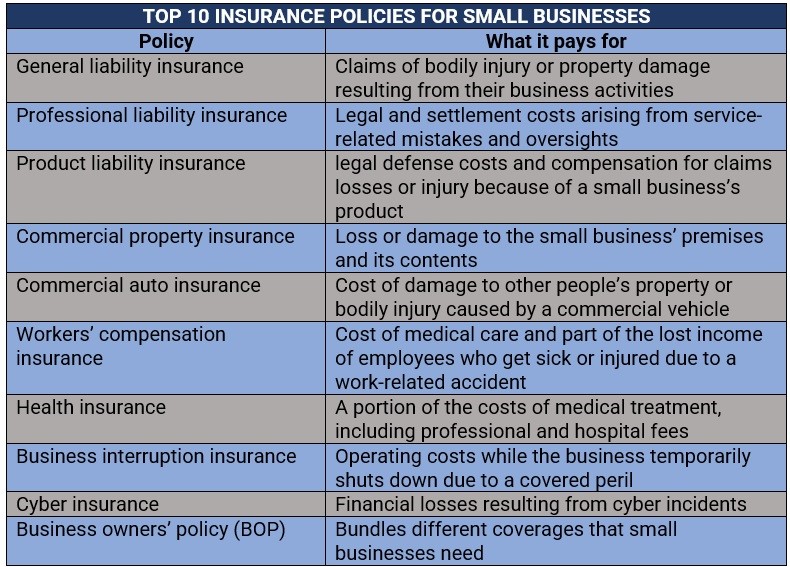
    Everything you need to know about insurance for small businesses ...

    Did you know that nearly half of small businesses will experience an insurance claim in any given year? Yep, that’s right. And the kicker is, many of these claims aren’t fully covered!

    Understanding common claims and the coverage gaps that accompany them can make or break your business. But here’s the deal: recognizing these gaps early can save you a boatload of trouble down the line.

    Typical Small Business Insurance Claims

    Small businesses, regardless of their industry, often encounter a few recurring types of claims. The most common include property damage, customer injuries, and employee-related incidents. Imagine a client slips on a wet floor in your store or a fire damages your inventory. These scenarios aren’t just hypothetical—they happen more often than you might think.

    It is crucial to have a comprehensive policy that covers these potential risks. Trust me, you don’t want to learn about a coverage gap when you’re already knee-deep in a claim.

    Unseen Coverage Gaps

    Even if you think you’re fully covered, there might be hidden coverage gaps lurking in your policy. These can be sneaky and often include exclusions for flood damage, cyber attacks, or certain types of liability. Many small business owners assume they’re protected until they’re not.

    Here is the deal: Insurance policies can be tricky, and it’s essential to scrutinize them for any exclusions or limitations that might affect your coverage.

    Strategies to Manage Coverage Gaps

    So, how do you protect yourself from these gaps? Step #1: Regularly review your insurance policy with a pro who knows their stuff. You need an expert who can point out any areas that may leave you exposed.

    Step #2: Consider purchasing additional coverage or endorsements to plug those gaps. It might cost a bit more upfront, but trust me, it’s a small price for peace of mind.

    Pro Tip: Always keep your insurer updated about any changes in your business operations. This ensures your policy reflects your current risks.

    Legal and Compliance Considerations
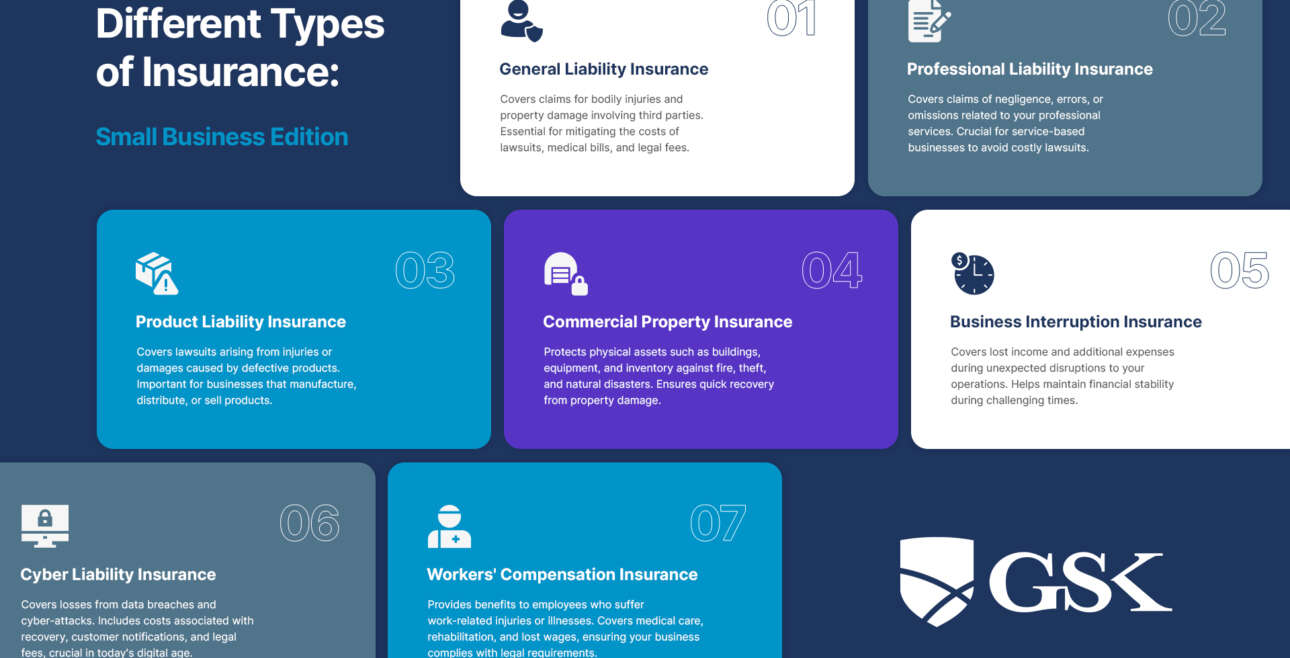
    What Insurance Do I Need For My Small Business? | GSK Insurance

    Did you know that a whopping 44% of small businesses have never had insurance? That’s a massive risk. You and I both know that operating without the right insurance can lead to ugly legal problems.

    Small business insurance isn’t just a good idea—it’s often a legal requirement. Different regions have different laws about what types of insurance you need. Skipping these can land you in serious hot water.

    Understanding Regional Insurance Requirements

    The legal landscape for small business insurance can be a minefield. In the U.S., many states mandate workers’ compensation if you have employees. In the UK, employers must have liability insurance. But here’s the deal: missing these requirements doesn’t just mean fines. It means your business is at risk every day.

    Compliance Issues Related to Business Insurance

    Compliance is not just about buying a policy. It’s about having the right coverage. Say you’re running a tech startup. General liability might not cover your specific tech-related risks. You need cyber insurance. Failing to comply can lead to denied claims and lawsuits. And trust me, nobody wants that!

    Real Cases of Non-Compliance Woes

    Consider a bakery owner in California who skipped workers’ compensation. One slip and fall led to a lawsuit that nearly bankrupted the business. Compliance isn’t a checkbox. It’s a shield. Another example? A consultant without professional liability got sued over advice gone wrong. Their personal assets were on the line.

    Pro Tip: Always review your policies annually or after major business changes to stay compliant and protected.

    Summary
    3 small business insurance made simple - bad.theyoungdev.com

    In the unpredictable realm of business, insurance is not just a safety net; it’s a crucial ally. By ensuring that your small business is adequately covered, you’re not only protecting your investment but also setting the stage for long-term success. So, dive into the world of small business insurance with confidence, armed with the knowledge to choose the right policies and providers that align with your unique needs. Remember, peace of mind is priceless, and with the right coverage, you can focus on what you do best—growing your business.

    Q&A

    What are the different types of small business insurance?

    Common types include general liability insurance, property insurance, workers’ compensation insurance, and professional liability insurance. Each serves a unique purpose in protecting various aspects of your business.

    Why is small business insurance important?

    Insurance is crucial as it shields your business from financial losses due to accidents, lawsuits, or natural disasters, ensuring business continuity and peace of mind.

    What factors influence the cost of small business insurance?

    Factors include the size and industry of your business, the number of employees, the types of coverage you need, and your business location.

    How can I choose the right insurance for my small business?

    Start by assessing your business risks, compare offerings from multiple providers, and consult with insurance experts to tailor coverage that fits your needs.

    What are common claims made by small businesses?

    Common claims include slip-and-fall accidents, property damage, and employee injuries. Each type of insurance addresses specific claims to protect your business.

  • Three Small Business Insurance Commercial Policies You Need to Know

    Imagine this: you’re a small business owner, juggling a million tasks, and something unexpected happens—an accident, a lawsuit, or property damage. Could your business weather the storm? That’s where the power of three pivotal small business insurance commercial policies comes in. These policies aren’t just safety nets; they’re your business’s guardian angels, ready to step in when things go south.

    In this deep dive, we’re laying it all out for you. We’re talking about the ins and outs of small business insurance, breaking down the core types of coverage, and offering up the secrets to choosing the right policy. Get ready to become an insurance savvy entrepreneur with Backlinko style tips that’ll keep your business safe, secure, and thriving.

    Overview of Small Business Insurance

    Ever wondered why small businesses need insurance? It’s not just a safety net—it’s a game-changer. Small businesses face unique risks that can derail their operations.

    Small business insurance is designed to protect your livelihood from unexpected setbacks. From property damage to liability claims, it’s the safety cushion that keeps you afloat. Let’s dive into the specifics of what this insurance covers and why you can’t afford to skip it.

    Common Types of Insurance Coverage for Small Businesses

    There are several key types of insurance every small business should consider. General liability insurance is a must-have, covering injuries and damages. Property insurance safeguards your physical assets against theft and natural disasters. And don’t forget about workers’ compensation—it’s legally required in most places.

    Here is the deal: not having insurance could mean massive out-of-pocket costs. Imagine a lawsuit without liability coverage—you’re looking at potentially crippling financial consequences.

    The Benefits of Commercial Insurance for Small Businesses

    With insurance, you’re not just buying a policy; you’re buying peace of mind. It gives you the freedom to focus on growing your business rather than worrying about what could go wrong. Plus, insured businesses often enjoy better credibility, making partnerships and customer trust easier to secure.

    Pro Tip: Evaluate your specific business needs regularly. Coverages that were critical last year might not be as important today.

    Risks Faced by Small Businesses Without Insurance

    Operating without insurance is like walking a tightrope without a net. You might be saving some bucks upfront, but one slip and you’re in free fall. The risks range from natural disasters wreaking havoc on your property to lawsuits that could drain your bank account.

    Consider this: 60% of small businesses close within six months of a cyberattack. Without insurance, recovery may be impossible. Are you ready to take that chance?

    Types of Commercial Insurance Policies

    Essential Guide to Three Small Business Insurance Commercial Types ...

    Did you know that 75% of small businesses are underinsured? That’s a staggering number. But the good news? You can avoid being part of this statistic by understanding the different types of commercial insurance policies available.

    From general liability to workers’ compensation, each policy offers unique protection for your business. Knowing the ins and outs of these policies can be a game-changer for your company.

    General Liability vs. Property vs. Workers’ Compensation

    Let’s break down the three most common types of commercial insurance policies. Each one plays a critical role in safeguarding your business against unforeseen events.

    • General Liability Insurance: Covers legal issues due to accidents, injuries, and claims of negligence.
    • Property Insurance: Protects your business property against fire, theft, and other perils.
    • Workers’ Compensation Insurance: Provides coverage for employees’ work-related injuries or illnesses.

    Here’s the deal: choosing the right policy means understanding your business’s specific risks and needs.

    Type of Insurance Coverage Benefits
    General Liability Bodily injury, property damage Legal defense costs, settlements
    Property Insurance Building, inventory, equipment damage Replacement cost, repair expenses
    Workers’ Compensation Employee medical expenses, lost wages Risk management, employee protection

    How do these policies protect against specific risks? General liability is your go-to for lawsuits, while property insurance is crucial for safeguarding physical assets. Workers’ comp is a must-have if you want to ensure your team is covered.

    Pro Tip: Regularly reassess your insurance needs as your business grows to ensure you’re never caught off guard by new risks.

    Importance of Choosing the Right Insurance

    Did you know that 40% of small businesses are underinsured? Yep, that means almost half of businesses are at serious risk if something goes wrong. Here is the deal: choosing the right insurance isn’t just a checkbox—it’s a lifeline.

    When you’re picking an insurance policy for your small business, the stakes are high. You need to consider several crucial factors to ensure you’re fully protected. It’s not just about the price tag, but about safeguarding your future.

    Factors to Consider When Selecting an Insurance Policy

    First up, you need to understand the specific risks your industry faces. Not all businesses are created equal, and neither are their risks. A restaurant has different insurance needs than a tech startup. Identify these unique risks so you can tailor your coverage accordingly.

    Next, you must assess the financial health of your insurance provider. You don’t want to be stuck with a company that can’t pay out when disaster strikes. Check their credit ratings and financial statements. If they’re not financially stable, look elsewhere.

    Pro Tip: Always read the fine print. Some policies have exclusions that could leave you exposed.

    Common mistakes? Businesses often go for the cheapest option without considering coverage gaps. Another blunder is failing to update policies as the business evolves. Keep your policy aligned with your current needs.

    Cost Factors and Budgeting for Insurance

    The Essential Guide to Three Small Business Insurance Commercial ...

    Did you know that 40% of small businesses face unexpected insurance costs every year? Let’s make sure you’re prepared with a rock-solid strategy.

    Insurance premiums can be tricky. Many factors influence them, making it crucial to know where your money goes. Let’s dive into what drives these costs and how to budget effectively.

    Understanding Insurance Premium Drivers

    The cost of your small business insurance depends on several key factors. First, your industry type. Some industries face higher risks, leading to higher premiums. Second, the location of your business plays a big role. High-crime areas often mean higher costs. Finally, don’t forget about your business size and revenue. Larger businesses with higher revenues typically face steeper premiums.

    Creating a Budget for Insurance Expenses

    Crafting a budget for insurance can seem daunting. Start by listing all your current policies and their costs. This gives you a baseline. Next, forecast future growth or changes that might impact coverage needs. Always set aside a bit extra for unexpected expenses.

    • Assess current policies
    • Forecast future needs
    • Allocate extra funds for surprises

    Pro Tip: Always review your insurance annually. Businesses grow and change, and so do your insurance needs.

    Reducing Insurance Costs Without Sacrificing Coverage

    Think you have to sacrifice coverage to save money? Think again. Start by bundling policies with the same insurer for a discount. Implementing safety measures can also cut costs. And consider raising your deductible—it’s a quick way to lower premiums.

    Pro Tip: Ask your insurer about available discounts for safety certifications or employee training programs.

    Comparison of Insurance Premiums Across Industries

    Here’s how insurance premiums vary across different industries. This comparison helps you see where you might stand.

    Industry Average Annual Premium
    Retail $750
    Construction $1,200
    Healthcare $1,500
    Technology $900

    Claims Process and Management

    Did you know that 40% of small businesses will file an insurance claim within a 10-year period? Managing claims effectively can make or break your business. Let’s dive into the process and ensure you’re prepared for anything that comes your way.

    Understanding the claims process is crucial for small business owners. First, document the incident immediately. This means taking photos, writing down everything you remember, and gathering any relevant documentation. Then, notify your insurer as soon as possible. Once the claim is filed, work closely with your insurance adjuster to provide any additional information they might need.

    Effective Claim Management Strategies

    Managing your claim efficiently can speed up the process and increase your chances of a successful outcome. Stay organized by keeping all your claim-related documents in one place. This includes communication with your insurer, receipts, and any evidence of the incident. Be proactive and follow up regularly with your insurance company, ensuring that your claim is being processed timely.

    Pro Tip: Designate a single point of contact within your business to handle all insurance-related matters. This person can manage communications and ensure nothing slips through the cracks.

    Importance of Accurate Documentation for Claims

    Accurate documentation is your best defense when filing a claim. Incomplete or inaccurate records can lead to delays or even denials. Make it a habit to maintain detailed records and logs of all business activities. This not only helps in claiming processes but also strengthens your overall business operations.

    Checklist for the Claims Process

    To ensure you’re always ready, follow this checklist during the claims process:

    • Immediately document the incident with photos and notes.
    • Gather and organize all relevant documentation.
    • Notify your insurer as soon as possible.
    • Follow up regularly with your insurance company.
    • Keep a detailed log of all communications and updates.

    This checklist can streamline your claims process and help you get back to business quickly.

    Real-Life Case Studies and Examples

    Three Essential Small Business Insurance Commercial Insights - ris ...

    Ever wondered how crucial insurance is for small businesses? Here’s a real twist: Some businesses thrive because of their insurance. Let’s dive into some compelling case studies and examples that reveal the transformative power of insurance.

    Insurance isn’t just a safety net—it’s a key player in the game of business sustainability. You might be surprised by how a well-structured insurance policy can save a company from the brink of collapse or how the lack of one can lead to disaster.

    Success Stories: Triumph Through Claims

    Meet Laura, a small bakery owner whose shop was flooded during a storm. Thanks to her comprehensive commercial property insurance, she received enough funds to repair the damage and cover lost income. Now her bakery is thriving more than ever.

    • Her insurance claim covered repair costs and helped pay her employees during the downtime.
    • She also discovered the value of adding business interruption insurance to her policy.

    “Without my insurance, I would have lost everything. It was a lifesaver!” – Laura, Bakery Owner

    Lessons from Underinsured Businesses

    But what happens when businesses lack adequate coverage? Consider Mike, who owned a tech startup. A fire destroyed his office, and he found himself without enough insurance to rebuild. The lack of business personal property coverage forced him to shut down.

    • His general liability policy wasn’t enough to cover equipment replacement and lost assets.
    • Mike learned the hard way about the importance of having a detailed risk assessment for insurance needs.

    “I never thought it could happen to me. Make sure you’re fully covered.” – Mike, Former Tech Startup Owner

    Long-Term Impacts on Sustainability

    Here’s the deal: Insurance plays a pivotal role in ensuring the longevity of small businesses. It’s not just about surviving a one-time incident. It’s about creating a buffer for the unexpected that safeguards the future.

    Businesses like Laura’s experience long-term growth because they can focus on innovation instead of worrying about potential setbacks. On the flip side, companies that neglect adequate coverage often struggle to recover, impacting their market reputation and growth.

    Pro Tip: “Regularly review and update your insurance policies to match your business growth and changes.” – Insurance Expert

    Final Summary

    So there you have it—your crash course in small business insurance. With these three commercial policies in your arsenal, you’re not just protecting your business; you’re setting it up for long-term success. It’s all about making informed decisions, minimizing risks, and ensuring that when the unexpected happens, you’re more than ready to tackle it head-on. Remember, insurance isn’t just an expense—it’s an investment in your business’s future.

    Common Queries

    What are the three main types of small business insurance?

    The three main types of small business insurance are general liability, property, and workers’ compensation insurance.

    How does general liability insurance benefit a small business?

    General liability insurance protects your business from financial loss due to claims of injury, property damage, and advertising harm.

    Why is workers’ compensation insurance important?

    Workers’ compensation insurance is crucial as it covers medical expenses and lost wages for employees injured on the job, protecting your business from potential lawsuits.

    How can small business owners reduce their insurance costs?

    Business owners can lower insurance costs by bundling policies, increasing deductibles, and implementing risk management strategies.

    What should I consider when choosing an insurance provider?

    When selecting an insurance provider, consider their financial stability, reputation, customer service, and the specific coverage options they offer.