Are you navigating the complex world of business in Washington State? Understanding errors and omissions insurance could be your secret weapon. This coverage, crucial for protecting professionals from claims of negligence or inadequate work, can be the difference between a thriving business and one facing significant financial setbacks. But what exactly does it cover, and do you really need it? Buckle up as we dive deep into everything you need to know about errors and omissions insurance in Washington State.
In this in-depth guide, we’ll break down the essentials of this specialized insurance, highlight its importance in various professions, and offer insights into choosing the right policy for your business. Whether you’re a seasoned entrepreneur or just starting out, our comprehensive breakdown will equip you with the knowledge to make informed decisions. So, let’s roll up our sleeves and get started!
Understanding Errors and Omissions Insurance in Washington State
Did you know that a single oversight can cost your business thousands in lawsuits? That’s where errors and omissions insurance (E&O) swoops in to save the day.
Errors and omissions insurance is your safety net in Washington State, covering the costs if you’re accused of negligence or failing to perform your professional duties. It’s a crucial shield for service-based businesses.
What Errors and Omissions Insurance Covers
E&O insurance is like having a legal safety net. It covers the costs associated with defending yourself against claims of negligence or mistakes in your professional services. If a client isn’t happy and claims you made an error that cost them money, guess what? You’re covered.
Here is the deal: Washington State doesn’t mess around with professional liability. If you’re in a field where your advice or services directly affect clients, E&O insurance is a must-have.
Legal Requirements for Obtaining This Insurance in Washington
In Washington State, certain professions are legally required to carry E&O insurance. These typically include real estate agents, accountants, and lawyers, among others.
BUT, even if your profession isn’t listed, it’s a smart move to consider. Why? Because one slip-up can lead to massive financial losses through lawsuits.
Pro Tip: Always check the specific requirements for your profession in Washington State. Laws can vary significantly.
Professions That Typically Require E&O Insurance
Who really needs E&O insurance in Washington State? If you’re in a profession where giving advice is part of the job description, you probably do.
- Real Estate Agents
- Accountants
- Financial Advisors
- Consultants
These professions are at the top of the list because they deal directly with clients who rely on their expertise. One wrong move, and it could result in a costly lawsuit.
Comparing Errors and Omissions Insurance and General Liability Insurance
Let’s break it down. E&O insurance is not the same as general liability insurance. They cover different aspects of risk.
| Errors and Omissions Insurance | General Liability Insurance |
|---|---|
| Covers professional mistakes and negligence | Covers physical injuries and property damage |
| Essential for service providers | Essential for all businesses |
Step #1: Assess your business needs. Step #2: Choose the right coverage. Because being proactive beats being reactive every time.
Importance of Errors and Omissions Insurance for Businesses
If you think your business is immune to lawsuits, think again. Did you know that 30% of small businesses face legal action at least once in their lifetime? That’s a staggering number that highlights the necessity of having a solid safety net like Errors and Omissions (E&O) insurance.
In Washington State, errors and omissions insurance isn’t just a “nice-to-have”—it’s a game-changer. It protects businesses from claims of negligence or inadequate work, giving you peace of mind when things don’t go as planned. Whether you’re a consultant or a contractor, E&O coverage can save you from financial turmoil.
Why Washington State Businesses Need E&O Insurance
Picture this: You deliver a service, but the client claims it didn’t meet their expectations. Suddenly, you’re facing a lawsuit. That’s where E&O insurance kicks in. It covers legal fees, settlements, and judgments, so your bottom line stays intact. Without it, a single claim could be catastrophic. Don’t let a lawsuit blindside your business—get protected.
Protection Scenarios with E&O Insurance
Imagine you’re a web designer, and an error in coding results in your client’s e-commerce site going down for a day. That downtime costs them sales, and now they’re demanding compensation. With E&O insurance, you’re not going it alone. It has your back in scenarios where mistakes happen.
Types of Claims Covered
Let’s break it down. E&O insurance typically covers claims like alleged errors, failure to deliver services, and negligence. If a client accuses you of missing a deadline or providing inaccurate advice, E&O insurance can shield your business. This coverage is vital for professionals who offer specialized services.
Hesitant about investing in E&O insurance? Here is the deal: the risks far outweigh the costs. Check out this table:
| Potential Risks | Benefits of E&O Insurance |
|---|---|
| Legal lawsuits from dissatisfied clients | Coverage for legal fees and settlements |
| Financial instability from unexpected claims | Protection of your financial assets |
| Business reputation damage | Assurance of professionalism and responsibility |
Pro Tip: Always read your policy’s fine print to know exactly what scenarios are covered and which are not.
How to Choose the Right Errors and Omissions Insurance Policy
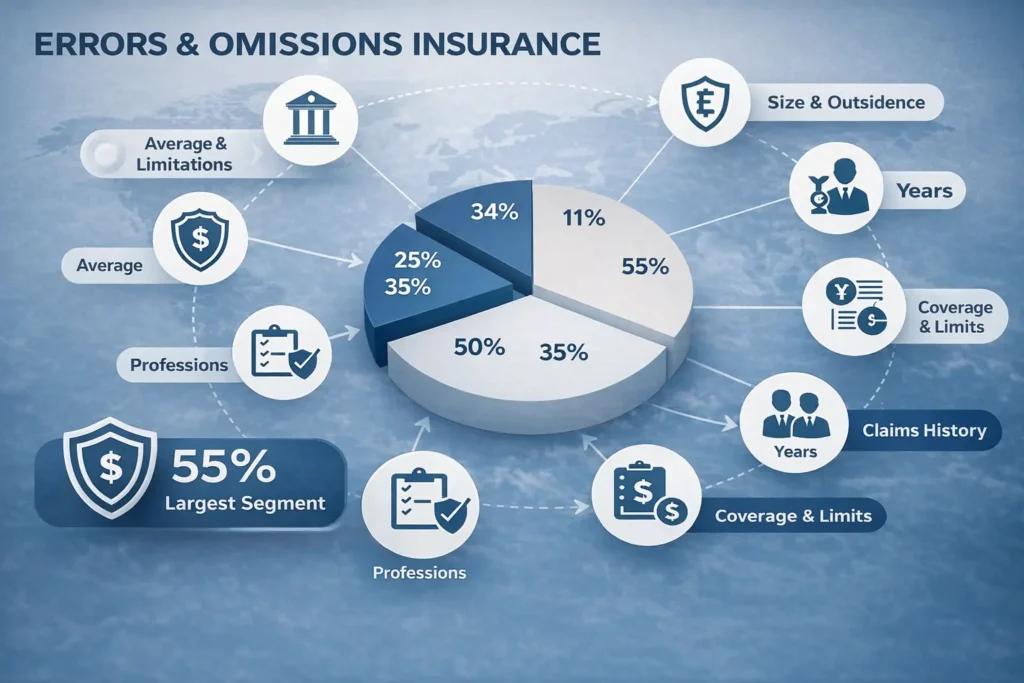
Did you know that nearly 30% of businesses face legal challenges related to professional services each year? If you’re a business owner in Washington State, choosing the right Errors and Omissions (E&O) insurance is crucial to safeguard your assets. The wrong policy could leave you exposed to serious financial risk.
Here’s the deal: picking the perfect E&O insurance policy isn’t just about price. You need to consider multiple factors to ensure you’re getting the most bang for your buck while staying protected.
Criteria to Consider When Selecting a Policy
First up, you need to assess the coverage limits. Ask yourself, “Is this enough to cover potential claims?” Think about the size of your contracts and the nature of your work. Next, check for exclusions. Some policies won’t cover certain industries or types of work, which could leave you high and dry in a legal battle. Finally, look into the claims process. How easy is it to file a claim? And how quickly do they pay out?
Factors Affecting the Cost of Insurance
Your premium isn’t just a random number. It’s based on multiple factors. For starters, your industry plays a huge role. High-risk industries like finance or real estate naturally pay more. Then there’s your business size and revenue. More money often means more exposure and higher premiums. Lastly, consider your claims history. If you’ve had issues in the past, expect to pay more now.
Checklist for Reviewing Policy Options
Before you sign on the dotted line, make sure you’ve ticked all the boxes. Here’s a simple checklist to guide you:
- Confirm the coverage limits meet your needs.
- Review all exclusions carefully.
- Understand the claims process and timeframes.
- Evaluate the insurer’s reputation and financial stability.
- Get quotes from multiple providers for comparison.
Pro Tip: Always ask for customer references or testimonials to gauge satisfaction levels.
Provider Comparison
Not all E&O insurance providers are created equal. Here’s a quick look at some popular options:
| Provider | Special Features | Customer Feedback |
|---|---|---|
| Allianz | Global reach with local expertise, flexible payment plans | Rated highly for claim responsiveness |
| Hiscox | Online quotes, tailored policies for small businesses | Praised for ease of application process |
| Travelers | Comprehensive coverage, industry-specific options | Known for solid customer service |
Remember, the cheapest option isn’t always the best. Consider the bigger picture to find a policy that truly fits your business needs.
Common Misconceptions about Errors and Omissions Insurance
Think you know everything about Errors and Omissions Insurance? Think again. Many business owners fall into the trap of believing myths that can cost them big time.
Here’s the deal: Errors and Omissions Insurance (E&O) is often misunderstood, leading to risky decisions. This insurance doesn’t just protect against financial losses; it also covers legal defenses. Yet, misconceptions persist.
Misunderstanding the Nature of Errors and Omissions Insurance
Some people think E&O is the same as other types of insurance. It’s not. E&O is more specialized, focusing on mistakes or negligence in professional services. This is crucial for anyone providing expertise or advice. Comparing E&O to general liability insurance is like comparing apples to oranges.
- Myth: E&O covers all types of business risks.
- Fact: It specifically protects against claims of negligence or inadequate work.
- Myth: E&O is only for big businesses.
- Fact: Even small businesses and freelancers need E&O to protect against lawsuits.
- Myth: Once you have E&O, you’re covered for everything.
- Fact: It doesn’t cover intentional acts or criminal behavior.
Misinformation isn’t just annoying; it can influence critical business decisions. Ignorance about E&O could mean underestimating risks, leading to inadequate coverage.
Pro Tip: Always consult with an insurance expert to tailor a policy that matches your business’s unique needs. Don’t just assume; get informed.
Case Studies and Real-Life Examples from Washington State

Did you know that businesses in Washington State face a 20% higher risk of facing professional liability claims? That’s precisely why understanding errors and omissions insurance is crucial.
The truth is, many businesses learn the hard way when a claim surfaces. But by examining real-life examples, you can better appreciate the value of this coverage.
Successful Insurance Claims in Washington State
One architecture firm based in Seattle was hit with a lawsuit over a design flaw. The project was delayed, and costs soared. Luckily, their errors and omissions insurance covered the $500,000 settlement. This coverage saved the firm from financial ruin and allowed them to continue operating smoothly.
Another example is a consulting business in Tacoma. They provided incorrect advice that led to client losses. The client demanded compensation of $250,000. Thanks to their E&O policy, the consulting firm was protected and didn’t have to pay out of pocket.
Lessons from Businesses Without Insurance
Not every story has a happy ending. A small tech startup in Bellevue didn’t carry errors and omissions insurance. When a software glitch caused a client’s system to crash, they faced a $100,000 lawsuit. Without insurance, the financial burden was overwhelming, and the startup ultimately closed its doors.
Pro Tip: Don’t wait until it’s too late. Secure your business with the right E&O policy before any issues arise.
The Role of E&O Insurance in Preventing Financial Losses
Consider a marketing agency in Spokane. They accidentally used copyrighted images in a campaign. The copyright holder demanded $75,000 in damages. Their E&O insurance policy kicked in immediately, covering legal fees and the settlement.
These examples clearly show that errors and omissions insurance is not just a safety net. It’s a critical component of risk management for any business.
Summary of Key Case Study Takeaways
Here is the deal: learning from others can help you avoid costly mistakes. Below is a table summarizing the key takeaways from each case study.
| Case Study | Coverage Outcome | Lesson Learned |
|---|---|---|
| Seattle Architecture Firm | Covered settlement | Insurance can save you from large settlements. |
| Tacoma Consulting Business | Protected against client demand | E&O can protect against advice-related claims. |
| Bellevue Tech Startup | No coverage, led to closure | Operating without E&O is a huge risk. |
| Spokane Marketing Agency | Covered legal fees and damages | E&O is essential for creative industries. |
Future Trends and Developments in Errors and Omissions Insurance

Did you know that the landscape of Errors and Omissions (E&O) insurance is changing rapidly? Washington State businesses need to stay ahead to protect themselves.
As the world evolves, so does the insurance industry. The E&O insurance sector is no exception, with new trends and technologies shaping its future. Let’s dive into what’s ahead for Washington State.
Anticipated Changes in the Insurance Landscape
Insurance companies in Washington State are bracing for significant shifts. Why? Because consumer expectations are changing fast. People want more transparency and tailored coverage.
Additionally, the rise of remote work and digital businesses is creating new risk profiles. This means your E&O policy needs to be flexible enough to accommodate these changes.
Technology’s Influence on Errors and Omissions Insurance
Is tech a game-changer? Absolutely. Insurers are leveraging AI and Big Data to assess risks more accurately and efficiently. This results in better pricing models for consumers.
Furthermore, digital platforms are making it easier for businesses to purchase and manage their E&O coverage. The old days of paperwork overload are fading fast.
Pro Tip: Look for insurance providers that offer digital tools for policy management. It saves time and reduces errors.
Evolving Legal Frameworks Affecting Insurance
New regulations are shaping the future of E&O insurance in Washington State. Lawmakers are focusing on protecting consumer data and increasing transparency in policy terms.
This means your policy might come with more detailed requirements and disclosures. Stay informed about these changes to ensure you remain compliant.
Role of Errors and Omissions Insurance in Emerging Industries
Emerging industries, such as tech startups and green energy, are booming. But with growth comes risk. E&O insurance is becoming crucial for these sectors.
The unpredictable nature of innovation makes companies susceptible to errors. Having a robust E&O policy can safeguard against potential legal claims.
As we move forward, expect E&O insurance to be a core part of risk management strategies for new and evolving industries.
Summary
As we wrap up this comprehensive guide, it’s clear that errors and omissions insurance is not just an option but a necessity for many businesses in Washington State. With the potential to safeguard your business against unforeseen claims that could otherwise cripple your operations, understanding and securing the right coverage is paramount. So, take the insights you’ve gained here and arm your business with the protection it deserves. Stay ahead of the curve and ensure your hard work isn’t undone by preventable pitfalls.
Common Queries
What does errors and omissions insurance cover in Washington State?
Errors and omissions insurance covers claims related to negligence, mistakes, or inadequate work for businesses providing professional services. It includes legal defense costs and settlements.
Is errors and omissions insurance required by law in Washington State?
While not always legally required, many clients and industries mandate errors and omissions insurance to ensure accountability and protection against professional risks.
Which professions typically require errors and omissions insurance?
Professions such as real estate agents, consultants, financial advisors, and healthcare providers often require errors and omissions insurance due to the nature of their advisory roles.
How is errors and omissions insurance different from general liability insurance?
While general liability insurance covers physical injuries and property damage, errors and omissions insurance focuses on professional services and claims of inadequate work or negligence.
What factors affect the cost of errors and omissions insurance?
The cost is influenced by factors such as the industry, the size of the business, the level of risk associated with the services provided, and the policy limits chosen.
Can errors and omissions insurance protect against financial losses?
Yes, it can protect against significant financial losses by covering legal defense costs and potential settlements, thereby mitigating the financial impact of claims.
What are some common misconceptions about errors and omissions insurance?
Common misconceptions include the belief that it’s unnecessary if you have general liability insurance, and that it only covers large corporations, which is not true.
Leave a Reply