Let’s dive into the world of auto insurance in Massachusetts, where knowing the costs and coverage options isn’t just smart—it’s essential. Whether you’re a new driver or a seasoned road warrior, understanding your options can save you a bundle and help you navigate the insurance landscape like a pro.
With the ever-evolving laws and a myriad of choices at your disposal, getting the right auto insurance can feel like finding a needle in a haystack. But fear not! We’re here to break it down in simple, digestible pieces, making sure you’re armed with all the knowledge you need to make an informed decision.
Overview of Auto Insurance in Massachusetts
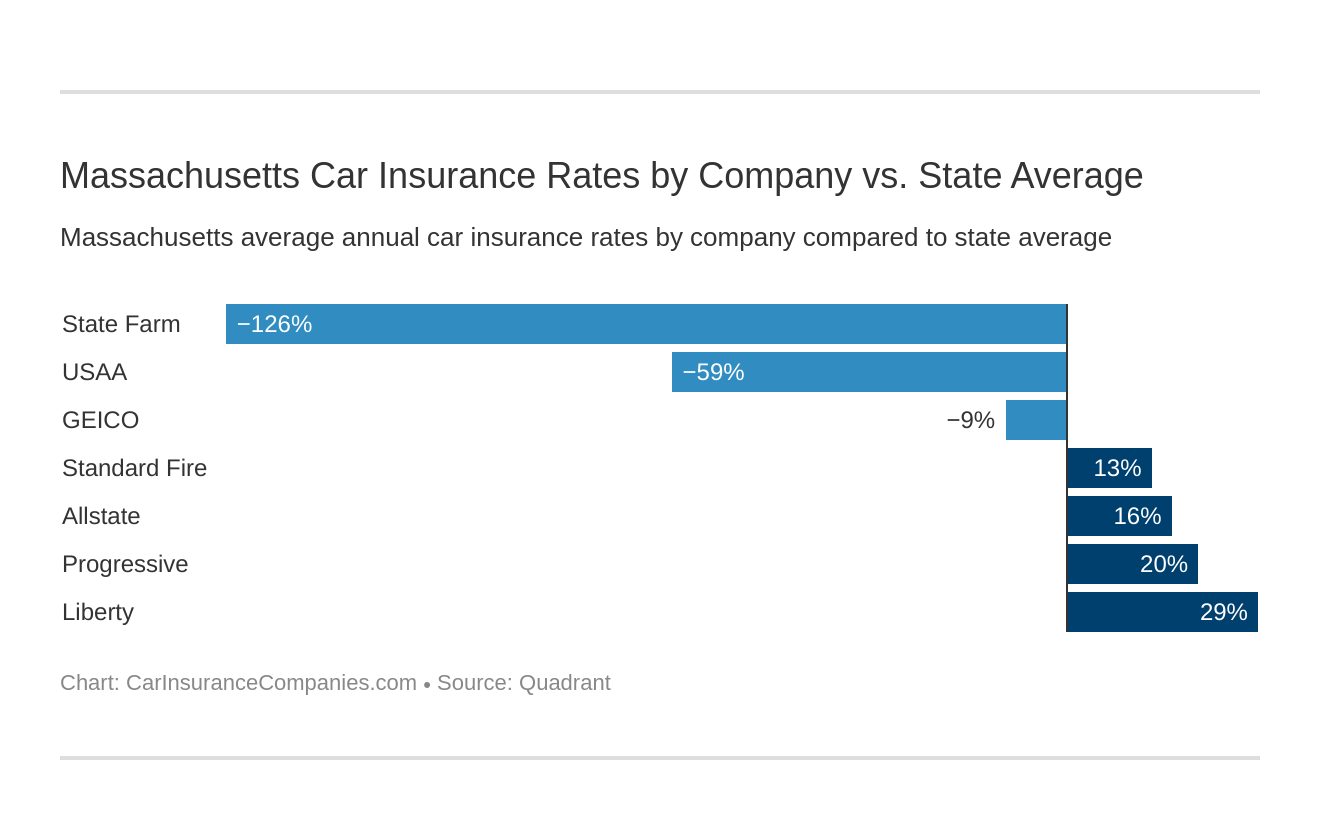
Did you know that Massachusetts has some of the strictest auto insurance requirements in the U.S.? If you’re planning to drive in the Bay State, you need to know the rules. Buckle up, because we’re diving into the nitty-gritty of what you need to get your wheels on the road legally.
First things first: Massachusetts mandates that every driver holds a minimum level of auto insurance coverage. If you’re caught without it, the penalties can be steep. But what do you really need to know to stay compliant?
Basic Requirements for Auto Insurance in Massachusetts
In Massachusetts, you’re required to carry several types of insurance. At the very least, you’ll need: Bodily Injury to Others, Personal Injury Protection (PIP), Bodily Injury Caused by an Uninsured Auto, and Damage to Someone Else’s Property. The law isn’t just a suggestion; it’s enforced with fines and possible license suspension.
Here is the deal: the minimum coverage limits are not arbitrary numbers. They are there to protect drivers from financial ruin. The minimums are $20,000 per person and $40,000 per accident for bodily injury, $8,000 per person for PIP, and $5,000 for property damage.
If this sounds like a lot, that’s because it is. BUT having this coverage means you’re less exposed to financial risk.
Average Cost of Auto Insurance in Massachusetts
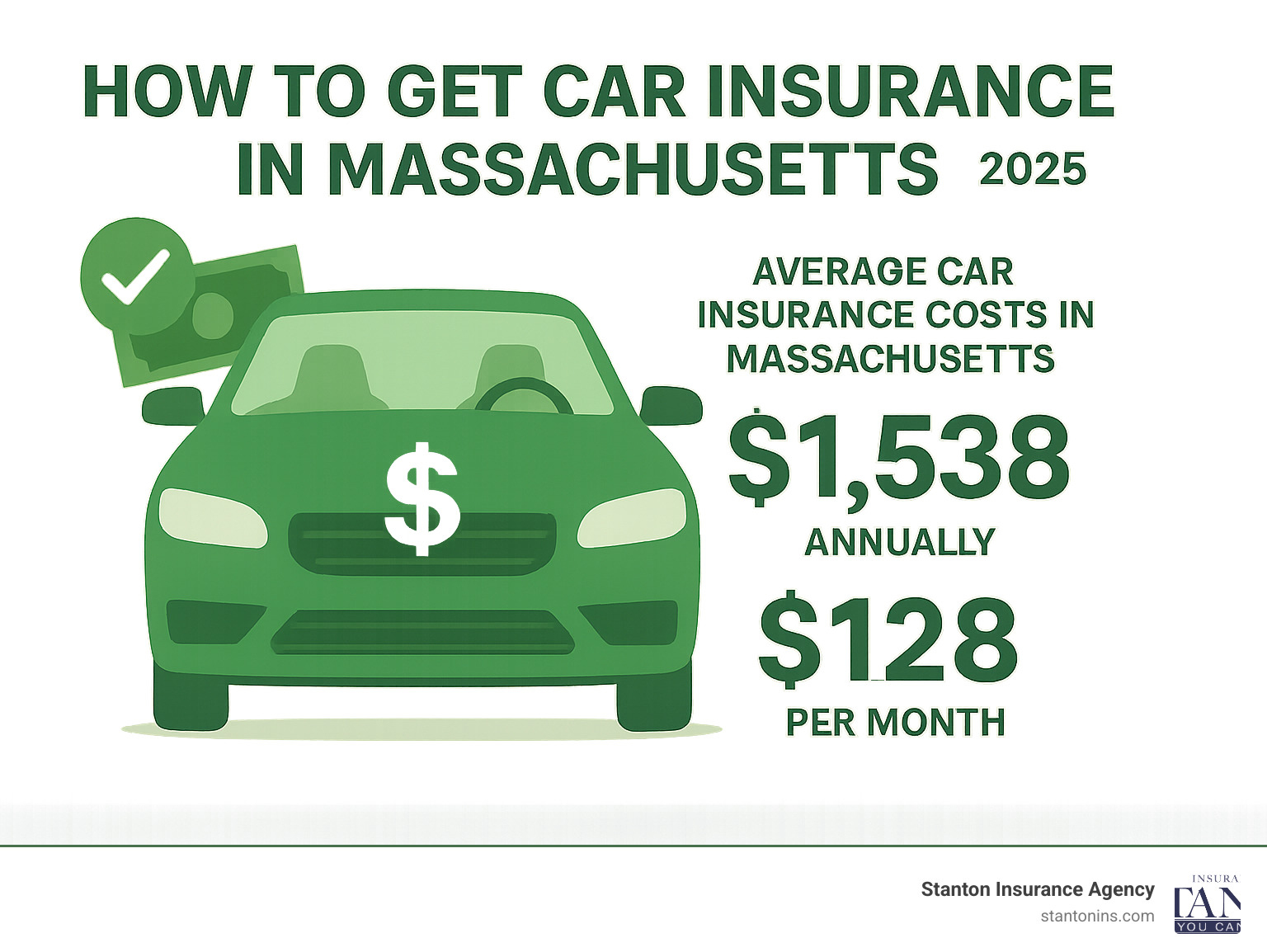
Wondering how much this will set you back? As of recent data, the average cost of auto insurance in Massachusetts is around $1,200 annually. This is on par with the national average.
Here’s a Pro Tip:
Shop around and compare quotes from different insurers. Even a small difference in premiums can save you hundreds each year!
Insurance rates can vary widely based on factors like your driving history, the type of car you drive, and even your zip code. So, while $1,200 is a ballpark figure, your unique situation can push that number up or down.
Factors Affecting Auto Insurance Rates
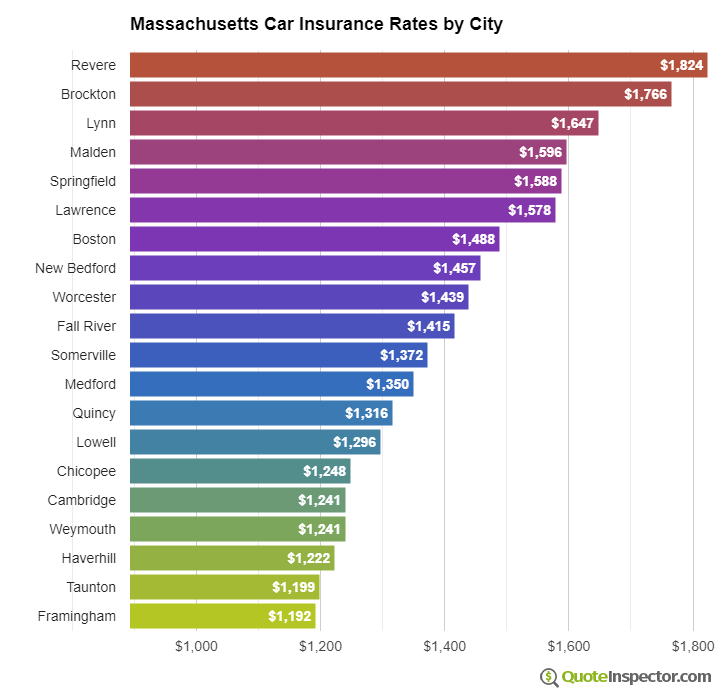
Did you know that your ZIP code can make or break your auto insurance bill in Massachusetts? It’s true! Auto insurance rates aren’t just numbers thrown at random. They’re carefully calculated based on a variety of factors.
Each of these factors plays a significant role in determining how much you pay to keep your vehicle insured. Understanding these can save you a bundle.
Location, Age, and Driving Record
Where you live has a huge impact on your insurance rates. Urban areas like Boston often have higher rates due to increased traffic and accident risks. In contrast, rural areas generally enjoy lower premiums. Age is another key player. Younger drivers, especially those in their teens, typically face higher rates because they’re statistically more prone to accidents. On the other hand, older drivers, particularly those above 25, usually experience decreased costs.
Then there’s your driving record. If you’ve got a history dotted with accidents or violations, expect to pay more. Insurers see you as a higher risk. But a clean record can lead to discounts and lower premiums.
| Factor | Impact on Rates |
|---|---|
| Location | Higher in urban areas, lower in rural |
| Age | High for teens, decreases after 25 |
| Driving Record | Increases with accidents/violations, decreases with a clean record |
Legislation Changes Affecting Insurance Rates
Recent legislation changes can also stir up the waters of insurance costs. Massachusetts has seen a push towards stricter regulations on distracted driving. This is part of an effort to reduce accidents and subsequently insurance claims. But here’s the deal: stricter laws can mean higher penalties for violations, which can ultimately lead to increased premiums for offending drivers.
Stay informed about these changes because they can subtly reshape what you pay for auto insurance.
Pro Tip: Maintaining a clean driving record and staying informed about local laws are your best strategies for keeping insurance rates low.
Types of Auto Insurance Coverage Available
Did you know that Massachusetts drivers are legally required to have certain types of auto insurance coverage? But that’s just the starting line. The world of auto insurance is much bigger than just the basics.
Understanding the different types of auto insurance coverage available can save you money—and headaches—down the road. In Massachusetts, you’re dealing with a combination of state-mandated and optional coverages that can protect you from financial pitfalls.
Mandatory vs. Optional Coverage
Now, let’s break it down. In Massachusetts, everyone must have compulsory insurance, which includes Bodily Injury to Others, Personal Injury Protection (PIP), Bodily Injury Caused by an Uninsured Auto, and Damage to Someone Else’s Property. But, there’s more to it than just fulfilling legal obligations.
Beyond the required coverages, optional policies offer a safety net for unexpected events. These can provide peace of mind when the road gets rough.
- Collision Coverage: Helps repair or replace your car after an accident.
- Comprehensive Coverage: Protects against theft, vandalism, or natural disasters.
- Medical Payments Coverage: Covers medical expenses for you and your passengers.
- Underinsured Motorist Coverage: Steps in when the other driver lacks sufficient insurance.
- Rental Reimbursement: Pays for a rental while your car is being repaired.
- Roadside Assistance: Offers towing, tire changes, and fuel delivery.
Pro Tip: Even if you’re a safe driver, considering optional coverages can be a lifesaver when unforeseen mishaps occur.
When Optional Coverage Makes Sense
Imagine this: You’re driving home in a massive rainstorm, and a tree branch crashes onto your car. That’s where Comprehensive Coverage kicks in. It’s not just about accidents with other vehicles.
If you frequently drive through bustling city streets, Collision Coverage could be your best friend. And if you’re relying on an older car, investing in Roadside Assistance might save you from being stranded.
Here is the deal: Optional coverage isn’t just for the paranoid—it’s for the savvy driver who understands that protection goes beyond what’s required.
Tips for Reducing Auto Insurance Costs
Did you know that the average auto insurance premium in Massachusetts is higher than the national average? But don’t worry—I’ve got some killer tips to help you slash those costs.
Let’s dive into a few strategies that can help you save a bundle on your auto insurance premiums in Massachusetts. These aren’t just run-of-the-mill ideas; they are actionable steps that could make a big impact on your wallet.
Effective Strategies to Lower Your Premiums
Here is the deal: You can reduce your auto insurance costs by taking strategic actions. Consider bundling your policies, raising your deductible, or improving your credit score. Each of these steps can have a significant effect on how much you pay.
| Method | Benefits | Effectiveness |
|---|---|---|
| Raise Your Deductible | Lower premiums by taking on a higher out-of-pocket cost. | High |
| Bundle Insurance Policies | Receive discounts for having multiple policies with one insurer. | Medium |
| Improve Your Credit Score | Better scores often result in lower premiums. | Medium to High |
| Take Defensive Driving Courses | Potential discounts and improved driving skills. | Medium |
Utilize Available Discounts
Insurance companies offer a slew of discounts that you might not be aware of. Here’s a list to keep handy:
- Good Driver Discount: For those with a clean driving record.
- Multi-Car Discount: Insure more than one vehicle to save.
- Low Mileage Discount: Drive less, pay less.
- Student Discount: For young drivers with good grades.
- Military Discount: Special rates for active or retired military personnel.
Pro Tip: Always ask your insurer about discounts you might qualify for. Sometimes, all it takes is a simple question to unlock major savings.
Comparison of Insurance Providers
How can you pick the right auto insurance provider in Massachusetts? It’s not just about crunching numbers. Customer service and coverage options can make or break your experience.
So let’s dive into how you can compare insurance providers effectively. Price is just one piece of the puzzle; you also need to consider customer service and the breadth of coverage options. Here’s a handy table to help you compare the top choices.
| Provider | Price | Customer Service | Coverage Options |
|---|---|---|---|
| Provider A | $$ | 4.5/5 | Basic, Comprehensive, Collision |
| Provider B | $$$ | 4.0/5 | Comprehensive, Collision, Roadside Assistance |
| Provider C | $ | 3.5/5 | Basic, Comprehensive |
The Role of Reviews and Ratings
It’s tempting to go with the cheapest option, but what do the reviews say? Customer reviews provide insights into the real-world performance of an insurer’s customer service. A higher rating indicates better service, fewer hassles, and faster claim settlements.
Pro Tip: Always check customer reviews and ratings on multiple platforms to get a balanced view.
Next, think beyond the ratings. Are you getting value for your money? Sometimes paying a bit more means better service and faster claims.
Evaluating Insurance Quotes Effectively
Confused by the insurance quotes you’ve received? Here’s the deal: understand what each quote covers and compare apples to apples. Look at deductibles, limits, and additional features. A lower premium might mean higher out-of-pocket costs later.
Pro Tip: Request a detailed breakdown of each quote from your potential providers. This will help you make a more informed decision.
By following these steps, you’ll be better equipped to choose an insurance provider that fits your needs and budget. Remember, the cheapest option isn’t always the best!
Legal and Regulatory Framework
Think auto insurance in Massachusetts is straightforward? Think again. It’s a labyrinth of regulations and oversight, designed to protect you and your wallet.
Let’s dive deep into the governing bodies and regulations that make sure your auto insurance is fair and just. We’ll also break down how you can dispute claims that don’t go your way. State laws have your back, but you need to know how they work.
Regulatory Bodies Overseeing Auto Insurance
Massachusetts auto insurance is primarily regulated by the Massachusetts Division of Insurance (DOI). This body ensures that insurance companies are financially stable, rates are fair, and policies are transparent. They’re your go-to for ensuring that insurance practices are above board.
Another key player is the Office of Consumer Affairs and Business Regulation (OCABR). They’re tasked with protecting consumer rights and ensuring insurance providers adhere to state laws.
Filing a Complaint or Dispute
Got a gripe with your insurer? Here is the deal: The DOI has a clear process for filing complaints. Start by contacting their consumer service unit. They’re there to mediate disputes and help resolve your issues.
Step #1: Gather all relevant documents, including policy details and correspondence with your insurer. Step #2: Submit a complaint through the DOI’s online portal or via mail. Step #3: Await a response as they investigate your claim.
Pro Tip: Always keep copies of every document you submit. It could save you headaches later.
State Laws Protecting Consumers
Massachusetts state laws are a safety net for consumers in the auto insurance market. The state mandates certain minimum coverage levels to ensure you’re not left stranded after an accident.
The state’s “no-fault” insurance system means your own insurance covers your injuries and damages in an accident, regardless of who was at fault. This minimizes lawsuits and speeds up claims processing, making it easier for you to get back on the road.
Summary
In conclusion, understanding the ins and outs of auto insurance in Massachusetts can transform your insurance shopping experience. Armed with the right information, you can confidently choose a policy that provides adequate protection without breaking the bank. Remember, in the world of auto insurance, knowledge truly is power.
Common Queries
How much is the average auto insurance cost in Massachusetts?
The average cost of auto insurance in Massachusetts is around $1,200 per year, but this can vary based on factors like age, location, and driving history.
What are the minimum auto insurance requirements in Massachusetts?
Massachusetts requires a minimum coverage of $20,000 per person and $40,000 per accident for bodily injury, $5,000 for property damage, and additional coverage for personal injury protection.
How do location and age affect auto insurance rates in Massachusetts?
Insurance rates can be higher in urban areas due to more traffic and potential for accidents, and younger drivers typically face higher rates due to inexperience.
Are there any discounts available for auto insurance in Massachusetts?
Yes, many insurers offer discounts for safe driving, bundling policies, and having certain safety features in your vehicle.
How can I reduce my auto insurance premium in Massachusetts?
Consider increasing your deductible, maintaining a good driving record, and taking advantage of available discounts to lower your premiums.




.jpg "Best Travel Insurance for the Netherlands: 10 Top Plans")