Hey there, savvy insurance seeker! Welcome to the ultimate guide where we’ll dive deep into the world of getting the best insurance rates in NC. Whether you’re new to the Tar Heel State or just shopping around for better coverage, we’ve got you covered. We’ll explore the ins and outs of insurance types, decode the factors that influence rates, and even serve up some insider tips to help you navigate the insurance maze with confidence.
Now, you might be wondering, why is insurance shopping such a big deal? Well, in North Carolina, understanding the landscape of insurance options can be your ticket to big savings and peace of mind. Stick with us as we uncover secrets and strategies to not just finding insurance, but finding the *best* insurance rates in NC. Ready to unlock the potential for protection and savings? Let’s get started!
Understanding Insurance Types Available in NC
Did you know that over 90% of residents in North Carolina have some form of insurance? But navigating the maze of insurance types can be a headache.
Here is the deal: North Carolina offers a variety of insurance options, each with its own benefits and drawbacks. Let’s dive into the most common insurance types available in the Tar Heel State and see which one might be the best fit for you.
Auto Insurance
Auto insurance is a must-have for anyone owning a vehicle in NC. It covers liabilities in case of an accident and can save you from paying hefty out-of-pocket expenses.
- Liability Coverage: This is mandatory in NC and covers damages to the other party if you’re at fault.
- Comprehensive Coverage: Protects against non-collision related incidents like theft or natural disasters.
- Collision Coverage: Pays for the damage to your car after an accident, regardless of who is at fault.
Pro Tip: Opt for uninsured motorist coverage. With 6.7% of drivers uninsured, it’s a wise choice!
Homeowners Insurance
For homeowners, protecting your sanctuary is crucial. Homeowners insurance in NC covers both the physical structure and your personal belongings.
- Dwelling Coverage: Safeguards the structure of your home against damage from events like fires or storms.
- Personal Property Insurance: Covers your belongings inside the home.
- Liability Protection: Shields you from lawsuits for injuries occurring on your property.
Here’s the catch: Some policies don’t cover flood damages. You might need an additional policy for that.
Health Insurance
Health insurance is essential to manage medical expenses. The Affordable Care Act has made health insurance more accessible, but there are still important choices to make.
| Type | Pros | Cons |
|---|---|---|
| HMO | Lower premiums, coordinated care | Requires primary care provider, limited network |
| PPO | More flexibility, wider network | Higher premiums |
| Catastrophic | Low premiums, emergency coverage | High deductibles, limited routine care |
Choosing the right plan can save you thousands in medical expenses. Weigh your options carefully!
Factors Affecting Insurance Rates in NC
Did you know that your insurance rates in North Carolina can swing dramatically based on a few key factors? It’s true. Understanding these elements can save you a boatload of cash.
Before you sign on that dotted line, you need to know what drives those numbers. Insurance companies look at a variety of factors to determine your premium, and some might surprise you.
Location: The Biggest Game Changer
If you live in Raleigh, you might pay significantly less than someone in Charlotte. Why? Because your zip code can affect your rates. Insurance companies consider crime rates, accident statistics, and repair costs in your area.
This means even moving a few blocks away can alter your rate. Think about the weather patterns too. Coastal areas prone to hurricanes might see higher home insurance rates due to increased risk of damage.
Other Key Influencers
But location isn’t the only factor. Your driving record plays a massive role. One speeding ticket could cost you hundreds more each year. Insurance companies also look at your credit score. A better score often means a better rate.
Your vehicle type is another consideration. High-end or sports cars usually cost more to insure. Why? Because they’re more expensive to repair or replace. And let’s not forget about your age and gender. Young drivers often face higher rates due to perceived inexperience.
Pro Tip: Bundle your home and auto insurance to snag a potential discount of up to 25%!
Here is the deal: It pays to be informed. By understanding these factors, you’re armed with the knowledge to negotiate better premiums.
Comparing Insurance Providers in NC
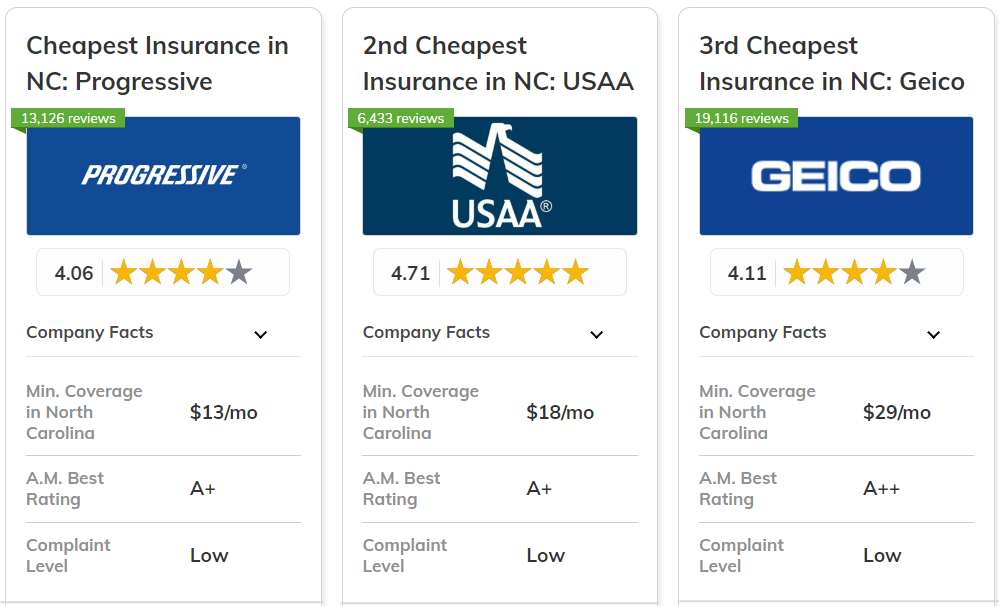
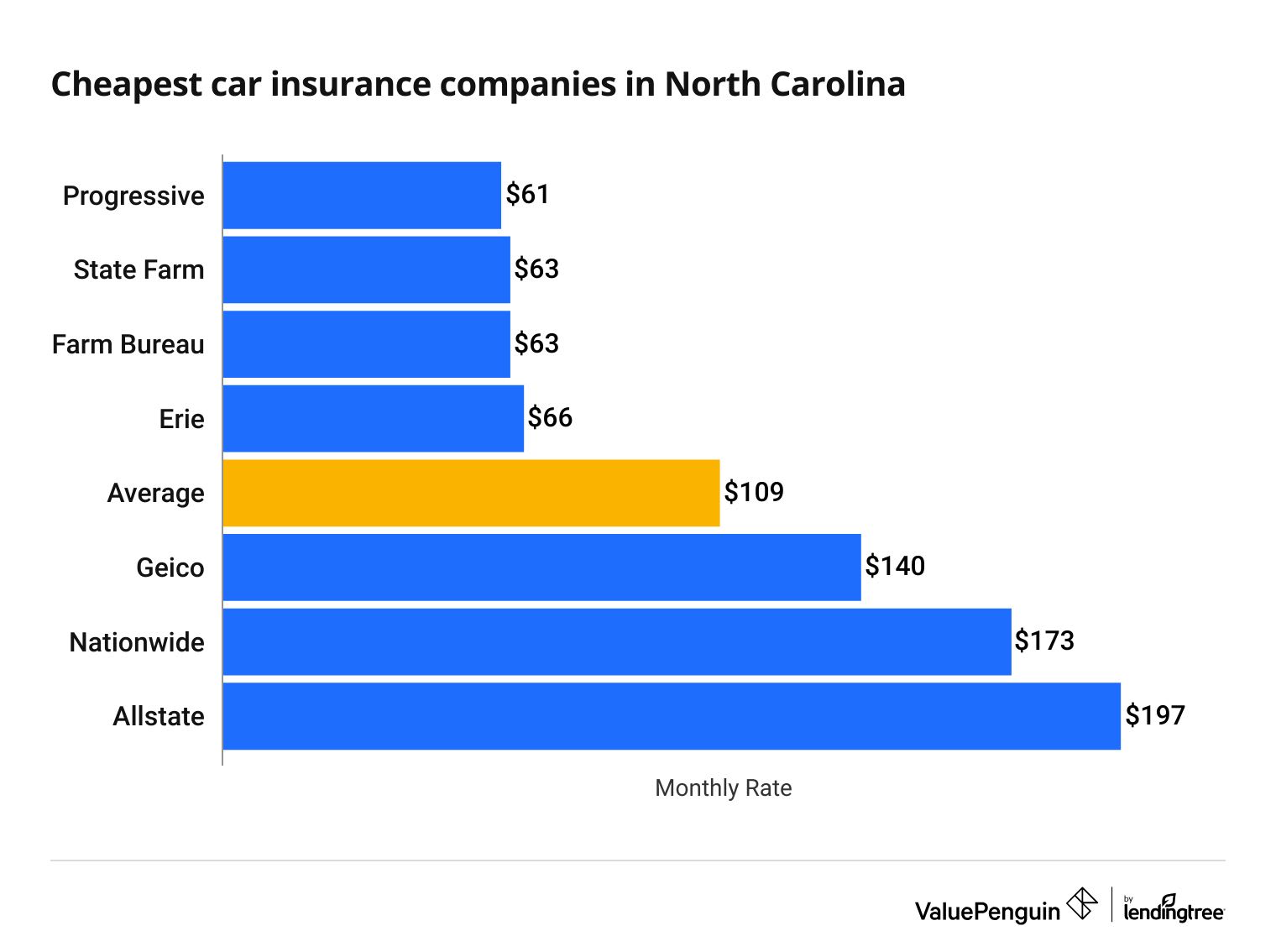
Are you paying too much for insurance in North Carolina? You might be surprised to learn that the average driver pays over $1,300 annually for car insurance in NC.
But you don’t have to settle for average. By comparing insurance providers, you can find the best deal and save hundreds. Let’s dive into the top providers in North Carolina and see how they stack up.
Top Insurance Providers in North Carolina
Here’s a comparison of some of the leading insurance providers in North Carolina. We’ll look at their coverage options, average rates, and what customers are saying about them.
| Provider Name | Coverage Options | Average Rates | Customer Reviews |
|---|---|---|---|
| State Farm | Auto, Home, Life, Renters, Business | $1,200 | 4.5/5 |
| GEICO | Auto, Home, Renters, Motorcycle | $1,100 | 4.3/5 |
| Nationwide | Auto, Home, Life, Renters, Pet | $1,350 | 4.2/5 |
| Progressive | Auto, Home, Renters, Life | $1,250 | 4.0/5 |
Reputation and Reliability of Major Insurance Companies
Choosing an insurance provider isn’t just about cost. You need a company with a strong reputation and reliability. State Farm consistently ranks high in customer satisfaction, known for its excellent customer service and support. In contrast, Progressive often attracts customers with competitive pricing but has mixed reviews on service.
Here’s the deal: you want a balance between cost and service quality. State Farm might cost a bit more, but their customer service could be worth it, especially in case of a claim.
Customer Service Ratings of NC Insurance Providers
Customer service is a crucial factor when choosing an insurance provider. Let’s take a closer look at how these companies fare according to their customers.
State Farm has a reputation for quick and efficient claims processing. GEICO’s app and online services receive high praise, making it a favorite for tech-savvy customers. Nationwide is seen as a solid choice with good local agent support, though some customers suggest their rates might be higher than competitors.
Pro Tip: Always read customer reviews and seek out experiences related to claims processing. It’s not just about getting a policy; it’s about what happens when you need to use it.
Tips for Securing the Best Insurance Rates

How much money do you think you could save simply by shopping around for insurance? In North Carolina, the difference between the highest and lowest premiums can be staggering. But most people leave money on the table by not knowing how to get the best deals.
Here is the deal: Insurance rates aren’t set in stone. There are several strategies you can use to negotiate and secure better rates, making a substantial difference in your annual expenses. Let’s dive into how you can take control and lower those premiums.
Methods to Lower Insurance Costs Effectively in NC
Want to slash your insurance costs in North Carolina? Start by bundling your policies. Combine your home and auto insurance under one provider to unlock significant discounts. Providers love loyalty, and this is one way they reward it. Also, regularly review your coverage needs. You might be paying for coverage you no longer need.
Pro Tip: Increase your deductible slightly to lower your monthly premium. Just ensure you have enough savings to cover the higher out-of-pocket expenses if needed.
Strategies for Negotiating Better Rates with Insurance Providers
Ever thought of negotiating your insurance rates? You should. Call your provider and ask for a better rate. Mention quotes you’ve received from competitors. Insurers don’t want to lose business, and they may match or beat the offers. Also, ask about any unadvertised discounts or special offers.
Pro Tip: Keep your credit score high. A better credit score can lead to lower insurance rates.
Guide to Maximize Discounts and Special Offers Available in the State
Maximizing discounts is key. Use every opportunity to reduce your premium. Here are some common discounts available:
- Good driver discount
- Good student discount
- Multi-policy discount
- Anti-theft device discount
Make sure you ask your insurance provider about all the discounts you may qualify for. Some are automatic, but others require you to opt-in.
Navigating the Insurance Application Process
Applying for insurance in North Carolina can feel like climbing a mountain. Did you know that 37% of applicants find themselves overwhelmed by the sheer amount of paperwork involved? It’s time to tackle this process step-by-step.
Here’s the deal: a clear roadmap makes navigating the insurance application process a breeze. You don’t need to be a genius to apply for insurance, but you do need a plan. Let’s break it down.
Step-by-Step Guide to Applying for Insurance
Step #1: Gather Your Information. Before you fill out an application, you need to have your personal details ready. This includes your social security number, driver’s license, and current insurance details if applicable. You’ll also need information about the assets you want to insure.
Pro Tip:
Having all your information at your fingertips can cut the application time in half.
Step #2: Research and Choose Your Provider. Not all insurance providers are created equal. Spend time comparing rates and reviews. Look for companies that have a good track record in customer service and claims processing.
Step #3: Fill Out the Application. Whether online or on paper, ensure that you fill out all sections of the application accurately. Mistakes can lead to delays in processing or even denial of coverage.
Information and Documentation Required
When applying, it’s crucial to know exactly what documentation to submit. You’ll need the following:
- Proof of identity (like a driver’s license).
- Proof of residence (utility bill or lease agreement).
- Detailed information about the item or property you want to insure.
- Your current insurance policy details if you’re switching providers.
Having these documents ready beforehand can save you from unnecessary headaches later.
Common Challenges and How to Overcome Them
Many applicants face information overload and decision fatigue. The key to overcoming these challenges is breaking down the process into manageable chunks. Don’t try to tackle everything at once.
Another common issue is application errors. Double-check all your entries before submission. If you’re unsure, don’t hesitate to reach out to your insurance provider for clarification.
Remember, the goal is to make this process as simple and stress-free as possible. With the right preparation and approach, you can confidently navigate the insurance application process.
Real-Life Success Stories and Testimonials
Did you know that some North Carolinians are saving hundreds or even thousands on their insurance every year? That’s right. Finding the best rates isn’t just for those in the know—it’s for anyone willing to dig a little deeper.
Let’s dive into a few real-life stories where people like you found the absolute best insurance rates in North Carolina. These aren’t just numbers on a page; they are tangible savings that improved lives.
How a Family of Four Saved Big
Meet the Andersons. This family of four was drowning in exorbitant premiums for their home and auto insurance. But they took a chance and shopped around. With some research and comparison, they found a provider that offered the same coverage for 20% less.
Here’s the deal: They didn’t just accept the first quote they got. They used online tools to compare rates and asked for discounts based on their safe driving record and home security systems.
“Switching insurance saved us over $800 a year. That’s a dream vacation fund for us.” — The Anderson Family
Single Mom Finds Affordable Health Coverage
Next, let’s talk about Sarah, a single mom struggling with high health insurance costs. She was overwhelmed by the options, but with persistence, she discovered a plan that offered excellent coverage for her and her daughter at a fraction of the cost. How did she do it?
Step #1: Sarah reviewed her current coverage and identified features she didn’t need. Step #2: She used NC’s state resources to understand her eligibility for subsidies, which significantly dropped her monthly payments.
“I was paying over $300 a month. Now, it’s under $100, and I feel secure knowing I have great coverage.” — Sarah
Small Business Owner Secures Affordable Business Insurance
Then there’s Mike, a small business owner who thought affordable business insurance was out of reach. WRONG. By bundling his policies, he saved nearly 25%.
Pro Tip: Don’t overlook business insurance bundles. Providers often offer significant discounts when you combine multiple types of coverage, such as liability and property insurance.
“It was a game-changer for my cash flow. Bundling saved us money that we could re-invest into our business.” — Mike, Small Business Owner
The Power of Local Agents
Lastly, consider Jen, who found success by working with a local insurance agent. She was able to leverage their expertise to get a policy that was tailored to her unique needs. Here’s why you should think about this approach.
By building a relationship with an agent, Jen gained access to exclusive deals that aren’t always advertised online. Plus, having a personal touch made navigating the application process a breeze.
“I had no idea that working with an agent could save me so much. They really understood what I needed and found the perfect plan.” — Jen
Closure
And there you have it, folks! Armed with these insights and strategies, you’re now ready to embark on your journey to secure the best insurance rates in NC. Remember, the key lies in understanding your needs, comparing options, and being a savvy negotiator. Each step you take is a step towards ultimate financial protection and peace of mind. So, go forth and conquer the insurance world with confidence! Here’s to smart choices and unbeatable rates!
FAQ Section
What types of insurance are commonly available in NC?
In North Carolina, people typically opt for health, auto, home, and life insurance. Each type offers different coverage options tailored to individual needs.
How can I lower my insurance rates in NC?
You can lower your insurance rates by bundling policies, maintaining a good credit score, or taking advantage of available discounts and special offers.
What factors influence insurance rates in NC?
Insurance rates in NC are influenced by factors such as location, age, driving history, and even the type of vehicle or home you own.
How does location affect insurance premiums in NC?
Different areas in NC have varying risk levels, which can affect premiums. Urban areas might have higher rates due to increased risk of theft or accidents.
What should I know before applying for insurance in NC?
Before applying, ensure you have all the necessary documentation and understand the type of coverage you need. Researching and comparing providers is also crucial.
Can negotiating with insurance providers really lower my rates?
Absolutely! Negotiating can lead to better rates, especially if you have a good track record or if you can show competitive quotes from other providers.
Are there any testimonials from others who’ve secured great rates?
Yes, many individuals have shared positive experiences in finding affordable insurance in NC, emphasizing the importance of research and comparison.